
Keeping Your Dog's Beard Fresh Between Grooms
A practical, gentle guide to keeping your dog’s beard clean, comfortable and fresh between professional grooming appointments, with simple routines, safe products, common mistakes and signs that your vet should take a look.
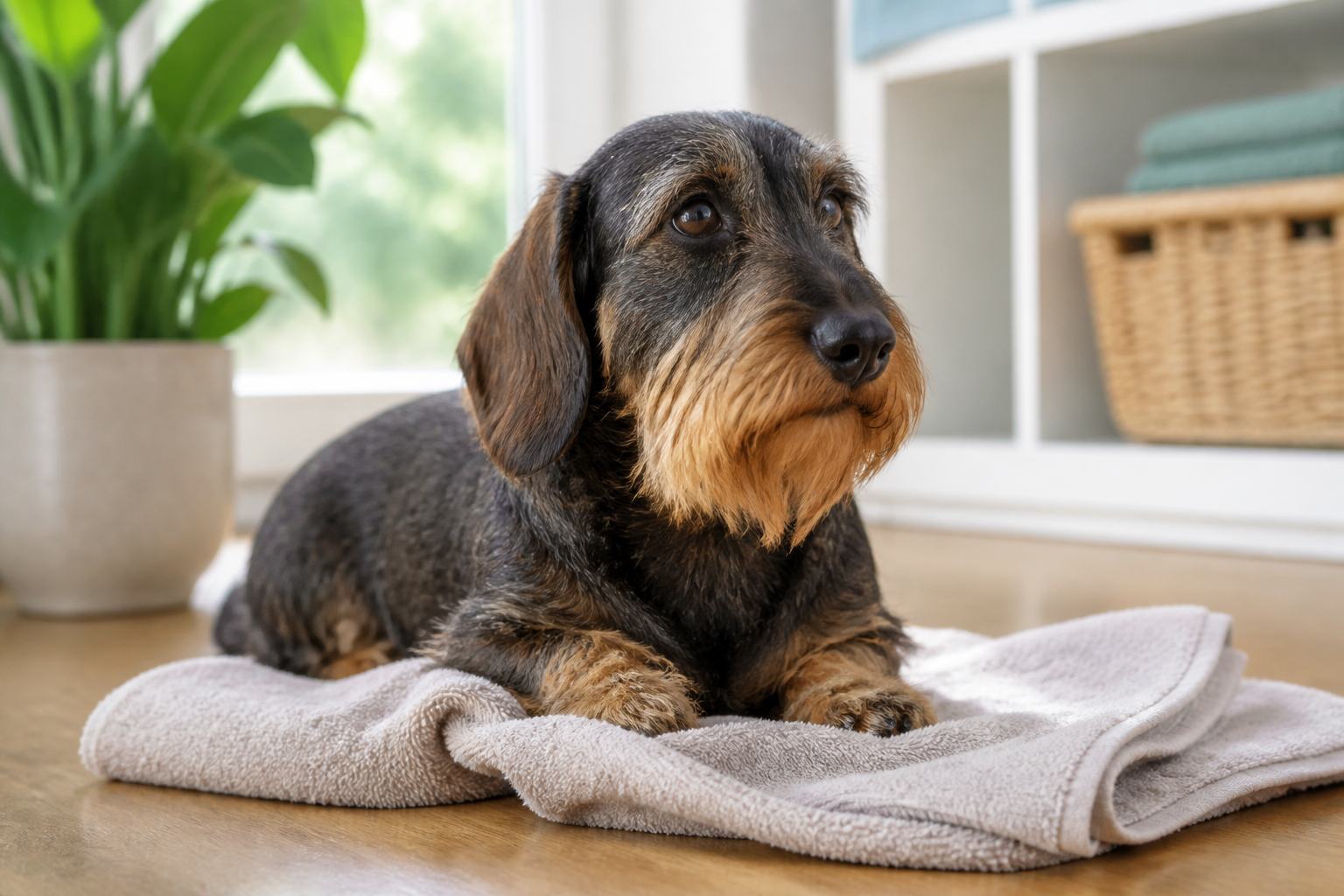
A dog with a lovely beard can look wonderfully characterful, but anyone living with a Schnauzer, Shih Tzu, Lhasa Apso, Maltese, Bearded Collie, Bichon or another long-muzzled breed will know that facial hair can collect almost anything. Food, water, mud, grass seeds and general outdoor dirt can quickly turn a fresh beard into a damp, tangled mess.
The good news is that a little calm, regular care can make a big difference between professional grooms. The aim is not to scrub the beard until it is perfectly white. It is to keep the hair reasonably clean, dry and tangle-free while checking that the skin, lips, eyes and mouth look comfortable.
At Howling Dogs Grooming, we know that every dog has a different coat, face shape and tolerance for handling. The advice below is suitable for ordinary between-groom care, but it does not replace veterinary advice. If your dog has sore skin, persistent staining, bad breath, mouth pain or a sudden change in drooling, contact your vet.
Why a dog’s beard needs regular attention
Facial hair sits close to the mouth, lips and chin, so it naturally becomes damp when a dog drinks, eats, pants or licks their lips. Long hair can also trap food particles and outdoor debris. If it is left wet and matted, it may become uncomfortable and make it harder to notice changes in the skin underneath.
A little staining is not automatically a problem. Pale coats often show saliva or food staining more clearly than darker coats. However, a sudden change in staining, a bad smell or a dog who seems uncomfortable should not simply be covered up with grooming products.
Regular, gentle checks can help you spot:
- food or mud caught in the hair;
- small tangles beginning around the lips and chin;
- redness, swelling, soreness or damp skin;
- grass seeds, burrs or other foreign material;
- changes around the teeth, gums or lips;
- unusual drooling, pawing at the face or difficulty eating.
A simple daily beard routine
For many bearded dogs, a short check once or twice a day is more helpful than an occasional vigorous clean. Choose a quiet time when your dog is relaxed, perhaps after a walk or while they are resting at home. Keep the routine brief and reward cooperation with praise or a small dog-safe treat.
Step 1: Look before you touch
Take a moment to look at the beard from the outside. Is it simply a little damp after drinking, or is there a clump of food, mud or plant material caught in it? Check whether the hair is moving freely or beginning to felt together.
Look at the skin you can see around the lips and chin. Healthy skin should not appear persistently wet, very red, swollen, cracked or painful. Do not pull at a mat or tug at anything that seems stuck to the skin.
Step 2: Remove loose debris with your fingers
With clean hands, gently separate any obvious pieces of food, grass or dried dirt that are sitting loosely in the hair. Work from the ends of the hair rather than pulling from the roots. If your dog moves away, pause and try again later.
Never use scissors to cut out a tight mat close to the lips, skin or eyes. Facial skin can move suddenly, and it is easy to cut a dog who turns their head at the wrong moment. A professional groomer or veterinary team can advise on a safer solution.
Step 3: Wipe, rather than scrub
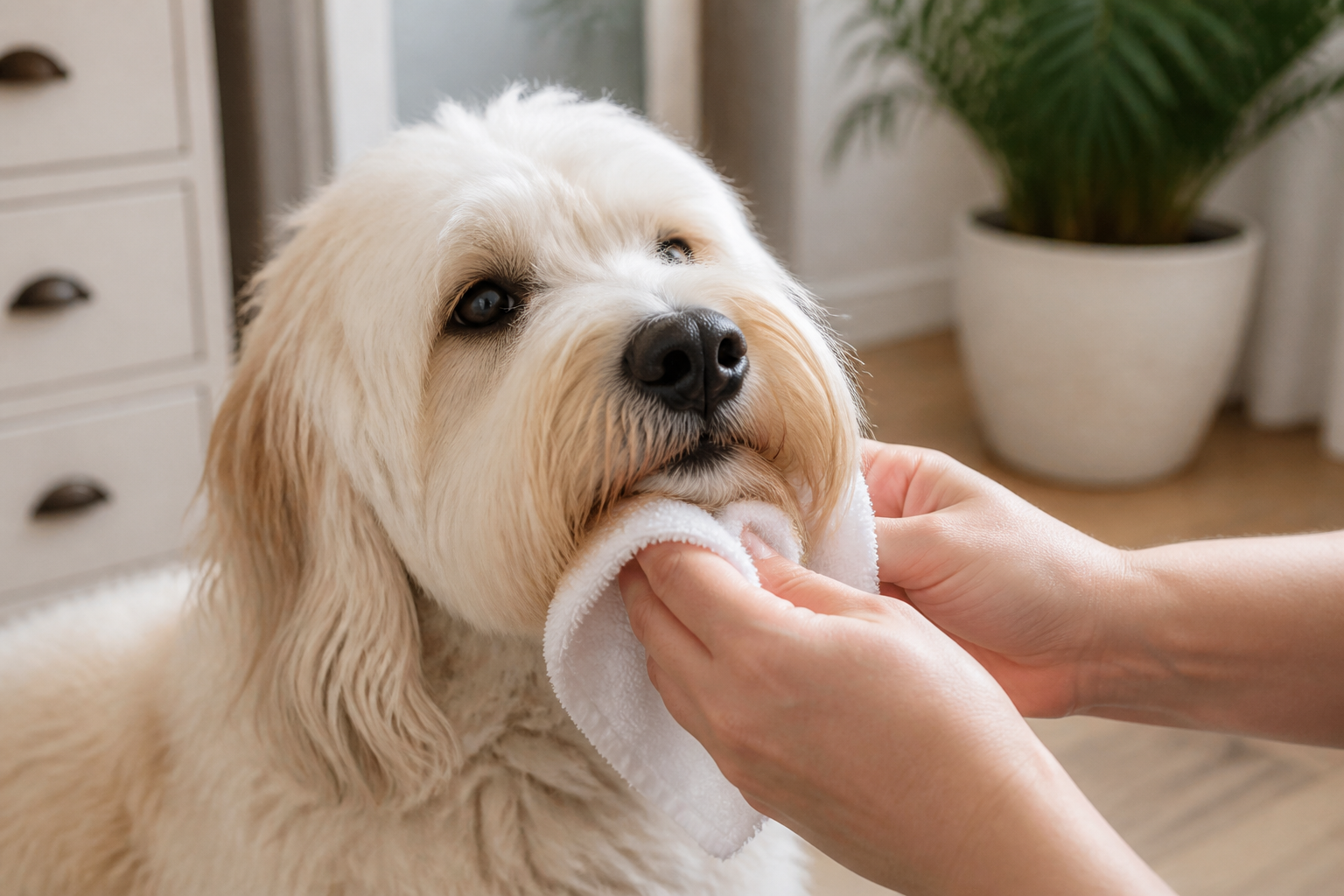
For everyday cleaning, use a soft cloth or a clean, damp cotton pad with lukewarm water. Gently wipe the beard in the direction of the hair growth, concentrating on the outer hair and the area beneath the chin. Use a fresh section of cloth as it becomes dirty.
Be especially careful near the lips, nostrils and eyes. Do not pour water over your dog’s face, force their mouth open or push a cloth into the corners of the mouth. The goal is a comfortable surface clean, not a deep oral clean.
Step 4: Dry the beard thoroughly
Press the beard gently between a clean towel to remove moisture. Avoid rough rubbing, which can encourage tangles and may irritate sensitive skin. If your dog is comfortable with a dryer, use a cool or low-warm setting, keep it moving and hold it well away from the face. Stop immediately if your dog becomes worried.
A beard that stays damp for hours is more likely to smell musty and become tangled. Drying is particularly important after rainy walks, muddy adventures and enthusiastic drinking.
After meals: preventing food from building up
Some dogs manage to keep their beard remarkably tidy while eating. Others wear their dinner home. If your dog’s beard regularly collects food, you can make the clean-up easier with a few practical changes.
- Offer meals in a bowl that allows your dog to eat comfortably without repeatedly dragging their beard through the food.
- Keep a dedicated soft cloth near the feeding area for a quick wipe afterwards.
- Give your dog time to finish eating before attempting to handle their face.
- Check for food trapped under the lips or between sections of hair, but do not force the mouth open.
- Wash food and water bowls regularly and rinse them thoroughly.
- Ask your groomer whether a small, tidy trim around the mouth would suit your dog’s coat and lifestyle.
There is no single bowl shape that suits every dog. Comfort, posture, coat type and your dog’s willingness to eat normally all matter. If your dog suddenly drops food, chews differently or avoids the bowl, arrange a veterinary check rather than assuming the beard is the problem.
Water, drool and the damp-chin cycle
Water is one of the biggest reasons a beard stays wet. Many long-haired dogs drip from their chin after drinking, especially if they have loose lips or a heavy moustache. Keep a towel nearby and gently blot the beard when needed.
Some owners find that offering water in smaller amounts more often reduces the amount left in the hair, but your dog must always have access to fresh drinking water. Never restrict water to keep the beard dry.
If your dog is drooling much more than usual, develops a sudden wet patch around the mouth, has blood in the saliva, paws at their face or seems reluctant to eat, speak to your vet promptly. Excessive drooling can be linked with mouth pain, dental disease, something stuck in the mouth or other health problems.
Brushing a bearded dog safely
Brushing helps prevent small tangles becoming tight mats. The correct tool depends on the coat, so ask your professional groomer to demonstrate what is suitable for your dog. A small comb may be useful for checking the beard, but it should never be forced through a knot.
A gentle brushing method
- Choose a calm location with good light.
- Let your dog sniff the brush or comb before you begin.
- Support the beard lightly with one hand, keeping your fingers between the tool and the skin where possible.
- Start at the ends of the hair and work gradually towards the roots.
- Use short, gentle movements and check the same small section rather than repeatedly dragging through the whole beard.
- Take breaks and reward relaxed behaviour.
- Stop if your dog shows discomfort, becomes worried or the coat will not separate easily.
Do not brush a beard that is heavily contaminated with dried food or faeces before softening the material. A damp cloth may loosen surface dirt, but a compacted mat may need professional removal. Pulling at it can be painful and may damage the skin.
What products are safe for between-groom cleaning?
For ordinary day-to-day care, lukewarm water and a clean, soft cloth are often all that is needed. If you use a dog-specific facial or coat product, follow the label carefully and keep it away from the eyes, nose, lips and inside of the mouth unless it is specifically intended for that area.
Choose products cautiously, especially if your dog has sensitive skin. A product being marketed as “natural”, “brightening” or “stain removing” does not automatically mean it is suitable for every dog. Avoid household cleaners, perfumes, essential oils, human shampoo, human mouthwash, bleach and harsh antiseptics.
Human shampoos and cosmetic products may irritate a dog’s skin. Medicated shampoos should only be used when recommended by your vet, with the instructions followed exactly. If your dog needs an ongoing treatment for skin disease, allergies, parasites or infection, grooming should support the veterinary plan rather than replace it.
Be careful with whitening products
Saliva and food staining can be frustrating, particularly on white or cream coats. However, trying to bleach or aggressively strip the colour from facial hair can cause irritation and may be unsafe if the product reaches the eyes or mouth.
Staining is usually best managed through regular cleaning, careful drying, sensible trimming and investigation of any underlying problem. If staining has appeared suddenly, is accompanied by licking or rubbing, or the skin looks sore, ask your vet for advice.
Teeth, gums and the beard: what is connected?
A dirty-looking beard does not necessarily mean that a dog has dental disease, and a clean-looking beard does not prove that the mouth is healthy. The hair can hide changes around the lips, while saliva may make the coat smell unpleasant even when the main issue is inside the mouth.
During a calm home check, you can look for obvious changes without forcing your dog’s mouth open. Contact your vet if you notice persistent bad breath, red or bleeding gums, loose or broken teeth, facial swelling, difficulty eating, food falling from the mouth, repeated face rubbing or a clear increase in drooling.
Do not scrape tartar from the teeth with metal tools and do not accept “anaesthesia-free” dental cleaning as a substitute for proper veterinary dental care. Home dental care should follow advice from your veterinary practice, using dog-safe products as directed. Never use human toothpaste or mouthwash.
Common mistakes to avoid
Leaving the beard damp
A quick wipe is useful, but remember to dry the hair afterwards. Constant moisture can make the coat smell and may contribute to skin irritation.
Using the same cloth repeatedly
A cloth that is already dirty simply spreads food and saliva around the beard. Use clean cloths or wash reusable ones frequently and allow them to dry properly.
Pulling through knots
If a comb catches, do not keep pulling. Stop and ask your groomer for help. A few minutes of professional advice can prevent a painful brushing session.
Cleaning too aggressively
Scrubbing, repeated shampooing and strongly scented products may irritate the delicate skin around the mouth. Gentle and regular is usually better than forceful and occasional.
Ignoring changes because they look like staining
New staining can sometimes be associated with a mouth, skin or eye problem. Take note of when it started and whether your dog has any other changes in behaviour or appetite.
Trying to cut the beard without guidance
Facial trimming requires care around eyes, lips, whiskers and moving skin. If you would like the beard shorter or easier to maintain, discuss the options with a qualified, experienced groomer.
When should your vet check the beard area?
Arrange veterinary advice if you notice any of the following:
- red, swollen, cracked, bleeding or painful skin;
- pus, yellow discharge, a strong unpleasant smell or weeping beneath the beard;
- persistent scratching, rubbing, licking or pawing at the face;
- a sudden change in saliva, drooling or facial staining;
- bad breath that is new or noticeably worse;
- difficulty eating, chewing on one side or dropping food;
- facial swelling, a lump or a suspected grass seed or foreign object;
- an eye that is red, closed, painful or producing unusual discharge;
- your dog becoming distressed when the beard or mouth is touched.
Do not attempt to remove a deeply embedded object or treat a suspected infection with leftover medication. Your vet can identify the cause and recommend suitable treatment. If your dog is otherwise unwell, in significant pain or struggling to breathe, seek urgent veterinary help.
A useful beard-care kit
Keep your supplies together so a quick clean does not become a search around the house:
- soft, clean face cloths or cotton pads;
- a small towel reserved for your dog;
- a suitable dog brush or comb recommended for the coat;
- your dog’s usual rewards;
- a dog-specific product only if recommended or clearly labelled for facial use;
- a washable mat for comfortable handling;
- good lighting for checking the skin and hair.
Keep grooming tools clean, dry and in good condition. Replace anything with sharp, broken or rough edges. If your dog dislikes face handling, begin with one second of gentle touch, reward, and gradually build up over several days. Never force a struggling dog through a grooming routine.
How a one-to-one groom can help
Between-groom care is easier when the beard has been shaped and finished in a way that suits your dog’s everyday life. Some dogs benefit from a practical tidy around the mouth, while others look and feel best with more length left in the beard. Coat texture, facial shape, eating habits and how often you can brush at home all make a difference.
At Howling Dogs Grooming, we provide calm, patient, one-to-one grooming in a purpose-built mobile van on your driveway. During an appointment, we can discuss manageable home-care routines and show you how to maintain the beard without turning every cleaning session into a battle. Our approach is welfare-first, with the dog’s comfort and confidence guiding the process.
A groomer can help with coat condition and safe trimming, but veterinary problems remain the responsibility of your veterinary practice. If we notice something that appears unusual during grooming, we will recommend that you seek professional veterinary advice rather than trying to diagnose it.
Frequently asked questions
How often should I clean my dog’s beard?
Check it daily and wipe it whenever it is visibly dirty or wet. Dogs who eat wet food, drink messily or spend a lot of time outdoors may need a quick clean after meals or walks. Avoid bathing the whole dog more often than necessary, as over-washing can disturb the coat and skin.
Can I use baby wipes on my dog’s beard?
It is safer to use a clean damp cloth or a product specifically made for dogs and suitable for facial use. Baby wipes may contain fragrances or ingredients that are not appropriate for every dog, and your dog may lick residue from the coat.
Why does my dog’s beard smell even after washing?
A persistent smell can come from trapped food, damp hair, skin irritation or a mouth problem. Check whether the skin is red or sore and whether your dog has bad breath, increased drooling or difficulty eating. If the smell continues, contact your vet.
Should I cut my dog’s beard short?
That depends on the coat, the dog’s lifestyle and how manageable the hair is at home. A practical trim may make cleaning easier, but it should be discussed with a professional who can work safely around the face and suggest a length that suits your dog.
Can grooming remove saliva staining?
Grooming can remove stained or damaged hair as it grows out, but it cannot treat the cause of new staining. If staining is sudden or comes with skin, eye, dental or behaviour changes, seek veterinary advice.
Fresh, comfortable and kind
The best beard-care routine is simple: check gently, remove loose dirt, wipe with lukewarm water, dry thoroughly and keep an eye out for changes. Short, positive sessions are kinder and more effective than wrestling with a tangled beard once it has become uncomfortable.
If you would like help choosing a manageable beard trim or maintaining your dog’s facial coat between appointments, contact Howling Dogs Grooming in Storrington and the surrounding areas of West Sussex. We are always happy to offer grooming guidance, while your vet remains the right person for any health concern.