
What Information Should You Give Your Dog Groomer?
The more your dog groomer knows, the safer, calmer and more suitable your dog’s appointment can be. Here is the practical information to share before grooming, from health conditions and medication to behaviour, coat history, allergies and your preferred finish.
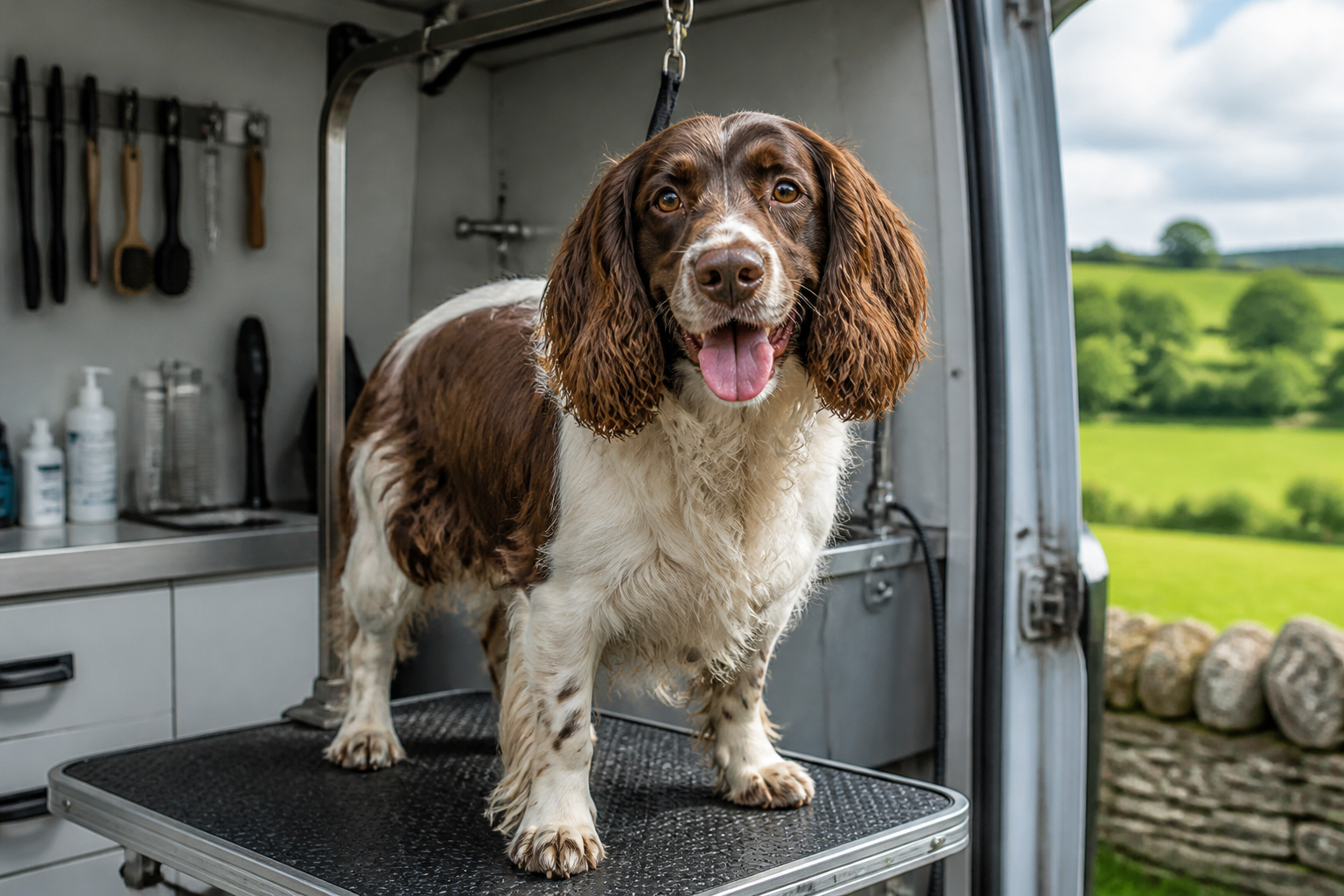
A successful grooming appointment begins before your dog steps into the van or salon. Your groomer can work more safely and choose suitable products, handling and equipment when they understand your dog as an individual.
That means sharing more than your dog’s breed, name and preferred haircut. Information about health, behaviour, previous grooming experiences, skin sensitivities, medication, coat care at home and your own priorities can make a real difference to your dog’s comfort and welfare.
At Howling Dogs Grooming, we provide calm, patient, one-to-one grooming in a purpose-built mobile salon on your driveway in and around Storrington, West Sussex. The more useful information you can give us before the groom, the better we can plan a gentle, suitable appointment for your dog.
Why your groomer needs accurate information
Grooming involves handling areas that some dogs find sensitive, including their feet, ears, face, tail, tummy and mouth. It may also involve bathing, brushing, clipping, drying, nail care or teeth cleaning. A dog that appears relaxed at home may feel differently when faced with unfamiliar equipment, sounds or handling.
Good information helps your groomer to:
- recognise areas that may need extra care or avoiding
- select appropriate shampoos and grooming products
- adapt handling and take more frequent breaks
- allow extra time for a nervous, elderly or inexperienced dog
- spot when a grooming request may need veterinary advice first
- agree realistic coat and styling expectations with you
It is always better to mention something that turns out not to be important than to leave out information that could affect your dog’s safety.
1. Share your dog’s health history
Tell your groomer about any current or previous health problems, even if they seem unrelated to grooming. Conditions affecting mobility, skin, ears, eyes, breathing, joints or general handling may change the way a session should be approached.
Important health information includes:
- arthritis, hip problems, back pain or other mobility difficulties
- recent surgery, injuries, wounds or stitches
- skin conditions, rashes, hot spots, allergies or recurring irritation
- ear infections, ear sensitivity or a history of painful ears
- eye problems or reduced vision
- seizures, heart problems or breathing difficulties
- diabetes or other long-term medical conditions
- fear, pain or discomfort when certain parts of the body are touched
- any condition for which your vet has given specific handling instructions
Please also mention recent changes. A dog who has suddenly become reluctant to jump into the car, touch their feet, climb stairs or have their head handled may be experiencing pain or illness rather than simply being difficult.
A groomer is not a substitute for a veterinary surgeon. If your dog has an unexplained lump, sore, discharge, strong odour, painful skin, persistent itching, lameness, breathing difficulty or a noticeable change in behaviour, speak to your vet. Grooming may need to wait until your dog has been assessed.
2. Tell your groomer about medication and treatment
Let your groomer know about all medication your dog is currently taking, including prescription medicine, ear treatments, creams, supplements and any recently administered parasite treatment.
You do not necessarily need to provide a long medical history, but your groomer should know anything that could affect handling, bathing, drying or your dog’s energy levels. For example, a dog recovering from an operation may need a shorter session, extra support or a different position.
Be clear about:
- the name of the medication, if you know it
- why it is being given
- when it was last given
- whether your vet has advised avoiding water, pressure or handling in a particular area
- any known reaction your dog has had to a product
Never give your dog a sedative or calming medication for grooming unless it has been prescribed for that individual dog and you have followed your vet’s instructions. Your groomer should also know if your dog has been unusually sleepy, unsteady or unwell after medication.
3. Mention allergies and product sensitivities
Dogs can react to ingredients in shampoos, conditioners, sprays, wipes or topical treatments. Tell your groomer about any diagnosed allergy, previous reaction or suspected sensitivity.
Useful details include:
- products that have caused redness, itching or discomfort
- whether your dog needs fragrance-free or specially selected products
- known food or environmental allergies, if they are relevant to your dog’s skin
- areas where the skin is especially dry, delicate or easily irritated
- whether your vet has recommended a particular shampoo
If your dog has an active skin problem, ask your vet whether bathing or grooming is appropriate and which products should be used. Do not assume that a product labelled as natural, gentle or suitable for puppies will be right for every dog.
It is also helpful to say whether your dog has recently had a spot-on flea or tick product applied. Follow the product instructions and your vet’s advice about bathing after treatment, and tell the groomer the date it was used.
4. Be honest about your dog’s behaviour
Behaviour information is not a judgement. It allows your groomer to prepare properly and protect your dog’s welfare.
Tell your groomer if your dog:
- has bitten or attempted to bite during grooming or handling
- has snapped when frightened or in pain
- guards their feet, ears, face, tail or food
- becomes distressed around clippers, dryers, water or nail equipment
- panics when separated from you
- has had a previous grooming appointment that went badly
- needs a muzzle for safety, and whether they are comfortable wearing one
- is likely to struggle, freeze, bark, growl or try to escape when worried
Small signs matter too. A dog may show stress by turning away, licking their lips, yawning, trembling, hiding, becoming very still or refusing treats. Sharing these details helps a groomer recognise your dog’s early signals and adjust the pace before anxiety escalates.
Please do not describe a dog as “fine” if they have previously reacted during grooming. A calm, accurate conversation is safer for everyone and gives the groomer the best chance to create a positive experience.
5. Explain your dog’s grooming experience
Tell your groomer how much grooming your dog has experienced and what they are already comfortable with.
For a puppy, this might include whether they have practised:
- having their paws, ears, tail and tummy gently touched
- standing on a non-slip surface
- hearing clippers, dryers or other household sounds
- being brushed for a few seconds at a time
- having their mouth and teeth briefly examined
- being lifted or supported safely when necessary
For an adult or rescue dog, explain whether they have been groomed regularly, whether they have only had home brushing, and how they responded previously. If your dog has changed groomers, mention what worked well and what did not.
Dogs learn at different speeds. A puppy introduction or first visit may focus on calm handling and confidence rather than achieving a complete haircut. Short, positive experiences can help build trust over time.
6. Describe your dog’s coat and home-care routine
Your groomer will assess the coat in person, but information about your routine is still valuable. Tell them how often you brush, which tools you use and whether your dog regularly gets wet, muddy or swims.
Mention:
- areas that tangle quickly, such as behind the ears, under the legs or around the collar
- previous matting or difficult brushing experiences
- whether your dog dislikes brushing in a particular place
- how often the coat is washed at home
- whether your dog’s coat has recently changed in texture or density
- any previous clipping, scissoring, hand-stripping or breed-specific grooming
Do not be embarrassed about knots or matting. The sooner your groomer knows, the more honestly they can discuss the kindest option. Mats can pull on the skin and may hide soreness, parasites, wounds or other changes. Trying to cut mats out at home can accidentally cut the skin, so ask your groomer for advice instead.
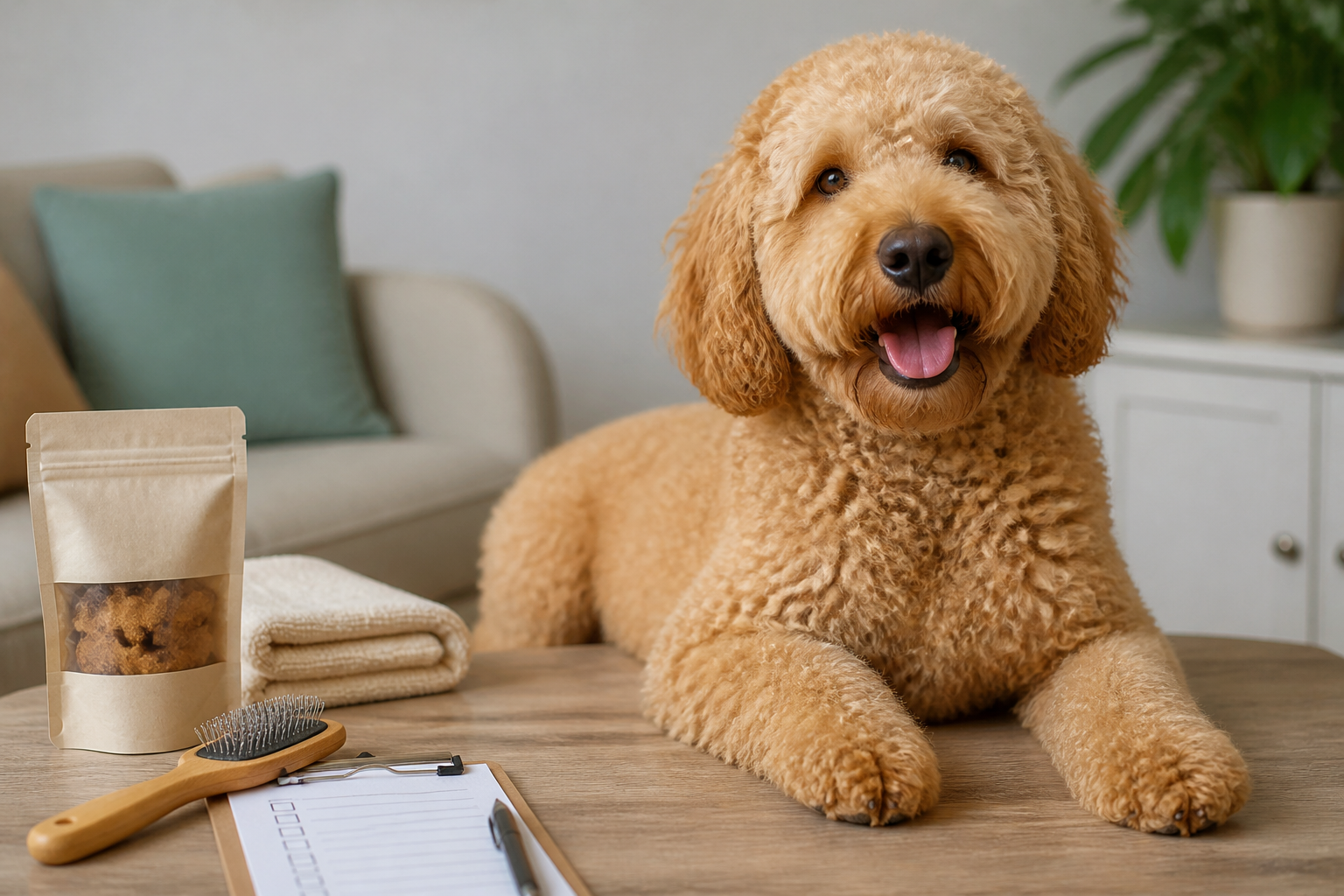
7. Explain what you would like from the groom
“A tidy-up” can mean different things to different people. Before the appointment, explain what matters most to you and what you would like your dog to look and feel like afterwards.
You may wish to discuss:
- the preferred length of the coat
- whether you want a practical, low-maintenance finish
- how much hair should be left on the face, ears, tail and legs
- whether you would like a full groom or bath and tidy service
- whether nails, paw pads, hygiene areas or teeth cleaning should be included
- any areas you would prefer not to have trimmed closely
- how much brushing you are realistically able to do between appointments
Photographs can help when discussing a style, although the final result also depends on coat condition, hair growth, previous grooming and your dog’s comfort. A style that is suitable for a well-maintained coat may not be possible if the coat is tightly matted or your dog becomes distressed during the session.
8. Tell your groomer about age and life stage
Age can affect stamina, balance, skin sensitivity and tolerance for handling. Tell your groomer if your dog is a young puppy, elderly, pregnant, recently neutered or recovering from illness.
Older dogs may need:
- more frequent breaks
- extra care when standing or changing position
- a non-slip surface and gentle support
- a shorter or adjusted appointment
- careful handling around stiff or painful joints
Puppies may need a gradual introduction rather than a full adult-style groom. If your dog is in season, has recently given birth or has another temporary change in health, mention this when booking so the appointment can be planned appropriately.
9. Share parasite and infection information
Tell your groomer if you have seen fleas, ticks, worms, flea dirt or other parasites, or if your dog has recently been treated. Follow your vet’s advice and use licensed parasite products exactly as directed.
It is also important to mention vomiting, diarrhoea, coughing, discharge, contagious illness or recent contact with a dog known to be unwell. A grooming environment involves close contact and shared equipment, so postponing an appointment may be the responsible choice if your dog could spread an infection.
Ask your groomer about their policy if you are unsure. Do not rely on grooming to remove or treat a parasite problem, and never apply a product intended for another species or another dog without appropriate veterinary advice.
10. Provide practical information for the appointment
Small details about your dog’s routine can make the visit smoother.
Let your groomer know:
- your dog’s usual name and any nickname they respond to
- the best treats to use, along with any dietary restrictions
- whether your dog has a sensitive stomach or food allergy
- when they last ate, drank, exercised and toileted
- who has permission to collect or make decisions about the groom
- how you can be contacted during the appointment
- anything that helps your dog settle, such as a familiar cue or toy
For a mobile appointment, make sure the van can be accessed safely on the driveway and let the groomer know about gates, steps, loose dogs or anything else that may affect arrival. Keep your dog secure before the groomer arrives, especially if they are nervous or likely to run.
A simple pre-grooming information checklist
You may find it useful to prepare the following before your dog’s first appointment:
- Your dog’s age, breed or breed mix and approximate weight.
- Any medical conditions, recent operations, injuries or painful areas.
- Current medication, supplements and recent treatments.
- Known allergies, sensitivities or previous product reactions.
- Your dog’s vaccination and parasite-control status, where relevant to the groomer’s policy.
- Previous grooming experience and any difficult reactions.
- Areas your dog dislikes being touched.
- Your preferred coat length and the level of home maintenance you can manage.
- Your vet’s contact details, if requested for the grooming record or in case of an emergency.
- A reliable telephone number for the day of the appointment.
Common mistakes to avoid
Leaving out a bite or snap history
Even one incident matters. The information helps the groomer choose safer handling and decide whether an appointment should be adapted or postponed.
Bathing immediately before the appointment
Unless your groomer has asked you to do so, avoid making last-minute changes to the coat. A groomer needs to see the coat’s real condition, and some products may irritate sensitive skin or make brushing more difficult.
Trying to hide matting
Matting is common and can happen quickly, particularly in curly or feathered coats. Honest information allows a kind and realistic plan.
Giving a calming product without advice
Do not give medication, supplements or human medicines to make your dog sleepy. Ask your vet about any health or behaviour concern instead.
Expecting the groomer to diagnose a health problem
A groomer may notice something unusual and recommend speaking to your vet, but cannot diagnose or prescribe. Always follow veterinary advice.
When should you postpone grooming and contact your vet?
Contact your vet before grooming if your dog appears unwell, is in obvious pain or has a new and unexplained health change. Examples include severe itching, open or infected-looking skin, bleeding, a painful ear, marked lameness, breathing problems, repeated vomiting or diarrhoea, collapse, extreme lethargy or a sudden major change in behaviour.
If you are unsure whether a problem is suitable for grooming, tell your groomer and ask your vet. It is better to delay an appointment than to make an uncomfortable or potentially serious condition worse.
Frequently asked questions
Do I need to tell the groomer that my dog is nervous?
Yes. Nervousness is useful information, not a reason to feel embarrassed. Your groomer can plan a quieter, slower appointment and explain whether a puppy introduction, bath and tidy or shorter session would be more appropriate.
What if my dog has never been groomed before?
Say so when booking. A first appointment can be planned around confidence-building and gentle handling. Practise brief, reward-based handling at home, stopping if your dog becomes worried.
Should I tell the groomer about a previous bad experience?
Absolutely. Explain what happened, which equipment or areas caused difficulty and how your dog behaved afterwards. This helps the groomer avoid repeating the same trigger.
Can a groomer work around a skin condition?
Sometimes grooming can be adapted, but active skin problems should be discussed with your vet first. Your vet may recommend a particular product or advise waiting until the skin has improved.
What if I am not sure what haircut my dog needs?
Tell your groomer how much brushing and coat maintenance you can manage, what activities your dog enjoys and whether practicality is more important than a particular style. A good groomer can discuss realistic options.
Calm, informed grooming starts with a conversation
Your dog does not need to have perfect manners, a spotless coat or a long grooming history. They do need an honest, individual plan. Sharing health information, behaviour clues, product sensitivities, coat history and your practical preferences gives your groomer the best foundation for a safe and positive appointment.
If you are in or around Storrington, West Sussex, contact Howling Dogs Grooming before booking if you have questions about your dog’s coat, first visit, puppy introduction, bath and tidy or full groom. We are happy to discuss your dog’s needs and explain when veterinary advice should come first. Our calm, one-to-one mobile approach is designed to keep grooming as patient, personal and welfare-focused as possible.